
| The first 48 hours after water damage can determine how extensive the repairs become. For residential water damage restoration in La Center, start by stopping the water source, cutting power to affected areas if it’s safe to do so, photographing all damage for your insurer, and beginning the drying process as quickly as possible. The EPA advises drying water-damaged materials within 24 to 48 hours to help prevent mold growth. Beyond that window, contamination risks can increase, and drywall, insulation, and subfloors may be more likely to require removal and replacement. |
Water in your home right now? Call Lake’s General Contracting at (360) 901-0292 for 24/7 emergency response in La Center, Ridgefield, Battle Ground, Woodland, and across Clark and Cowlitz Counties.
It’s hard to think clearly with water on the floor. This guide walks through the water damage restoration process in order, from the first few minutes to the final coat of paint, plus what it typically costs and how Washington insurance usually handles it.
KEY TAKEAWAYS
- Stop the source and make the area safe first.
- Photograph everything and call your insurer the same day. Washington’s insurance regulator says sudden leaks are usually covered if you report them quickly.
- Get materials dry within 24 to 48 hours. Household fans can’t dry a wall cavity or subfloor in that time.
- Restoration averages $3,868 nationally and about $3,072 in the Portland area, according to Angi’s 2026 data.
- Sewage and floodwater require a professional-only cleanup.
The First 48 Hours at a Glance
| When | What to do | Why it matters |
| First 15 minutes | Shut off the water. Cut power to wet areas if you can reach the panel from a dry spot. | Stops the damage from spreading and removes the shock risk |
| First hour | Photograph and video every wet room, the leak source, and damaged belongings. | Your insurer needs to see conditions before cleanup |
| Same day | Call your insurer and a restoration contractor. Move belongings. Remove clean water if it’s safe. | Insurers expect prompt reporting |
| 24–48 hours | Professional drying underway, with daily moisture readings. | The EPA’s window for preventing mold |
| After 48 hours | Expect more tear-out and a mold check. | Water degrades, and materials stop being salvageable. |
Why the First 48 Hours Matter
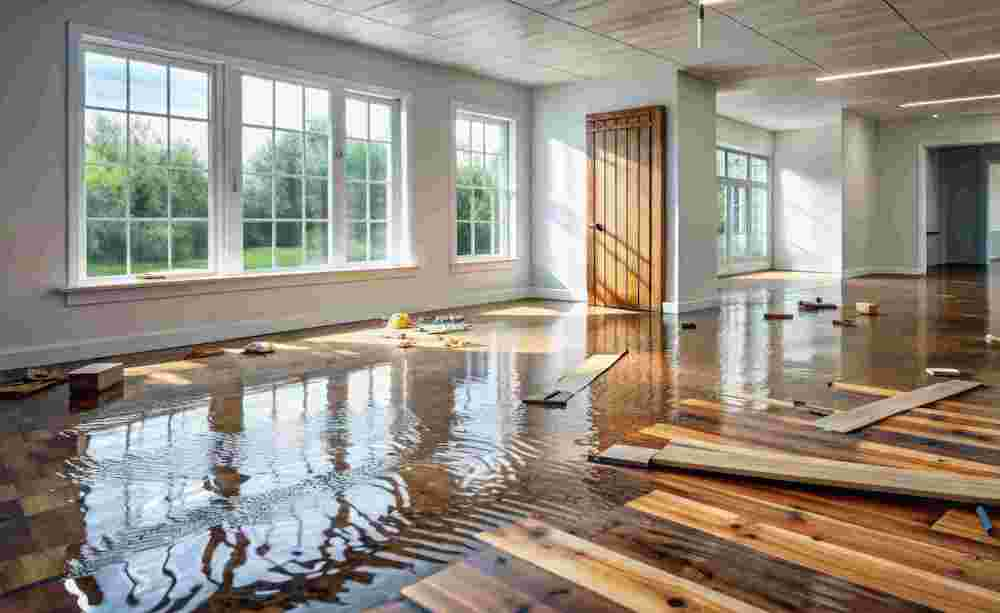
Water keeps moving after you see it, and every hour it sits makes the job bigger.
Mold can start within a day or two.
The U.S. Environmental Protection Agency advises drying water-damaged areas and items within 24 to 48 hours to prevent mold growth. That’s the real deadline, and in a damp Southwest Washington fall or winter, wet materials won’t dry much on their own in that time.
Clean water doesn’t stay clean.
The restoration industry’s standard, IICRC S500, sorts water into three categories by how contaminated it is:
| Category | Typical sources | What it means for cleanup |
| 1 — Clean water | Broken supply line, overflowing sink or tub | Materials can often be dried in place if you act fast |
| 2 — Gray water | Washing machine or dishwasher overflow | Porous materials may need removal; surfaces are disinfected |
| 3 — Black water | Sewage backup, floodwater from outside | Every porous material it touches comes out; professionals only |
Category 1 water doesn’t stay that way. Time, warmth, and contact with dirty building materials degrade it, often within a day or two, and that usually changes what can be dried and what has to be thrown out.
Restorers also rate damage by class, from Class 1 (a small area with little absorption) to Class 4 (deep saturation of hardwood, plaster, or masonry). Category tells you how dirty the water is. Class tells you how much drying it will take. Both drive the cost.
Hidden water damage behind walls and under floors
The water you can see is rarely the whole problem. Drywall acts like a sponge, pulling moisture up the wall well above the puddle line. Water runs along joists and collects under laminate, vinyl plank, and hardwood, so a floor can look dry on top while the subfloor stays soaked for days. In homes with a crawl space, which is common across Clark County, water that gets through the subfloor can pool on the vapor barrier below, completely out of sight.
What to Do After Water Damage: Step by Step
1. Stop the water and make the area safe.
Close the main water shutoff, usually where the line enters the house, or the valve behind the leaking toilet or appliance.
If water is near outlets, cords, or the electrical panel, don’t walk through it. Turn off power to the affected area at the breaker only if you can reach the panel from a dry spot. Otherwise, call your utility or an electrician first. Don’t switch on ceiling lights or fans under a wet or sagging ceiling, because sagging means water is pooling above it.
2. Document the damage before you clean up
Before you move anything, photograph and video every wet room, the leak source, and damaged belongings, including inside closets and cabinets. Note the time you found the water. If something has to go to the curb, photograph it first and keep a small sample, such as a cut piece of carpet or drywall, until your adjuster has seen it.
Call your insurer the same day. Washington’s Office of the Insurance Commissioner says homeowner policies usually cover sudden, accidental leaks if you report them quickly and follow your insurer’s recommendations. It also says extra damage caused by delaying repairs isn’t covered.
3. Remove clean standing water and move belongings
If the water is clean and it’s safe, use towels, mops, or a wet-dry vacuum (never a household vacuum) to pick up what you can. Move rugs, furniture, and electronics to a dry room, and run fans and a dehumidifier if you have them.
Skip this step with sewage or floodwater. Category 3 water carries bacteria, so leave cleanup to professionals with protective gear.
4. Call a contractor who can dry and rebuild
Household fans can’t dry a wall cavity or a subfloor in time. A professional water damage repair team brings commercial air movers, dehumidifiers, and moisture meters that find water you can’t see, and monitors the drying until materials are back to normal.
The Professional Water Damage Restoration Process
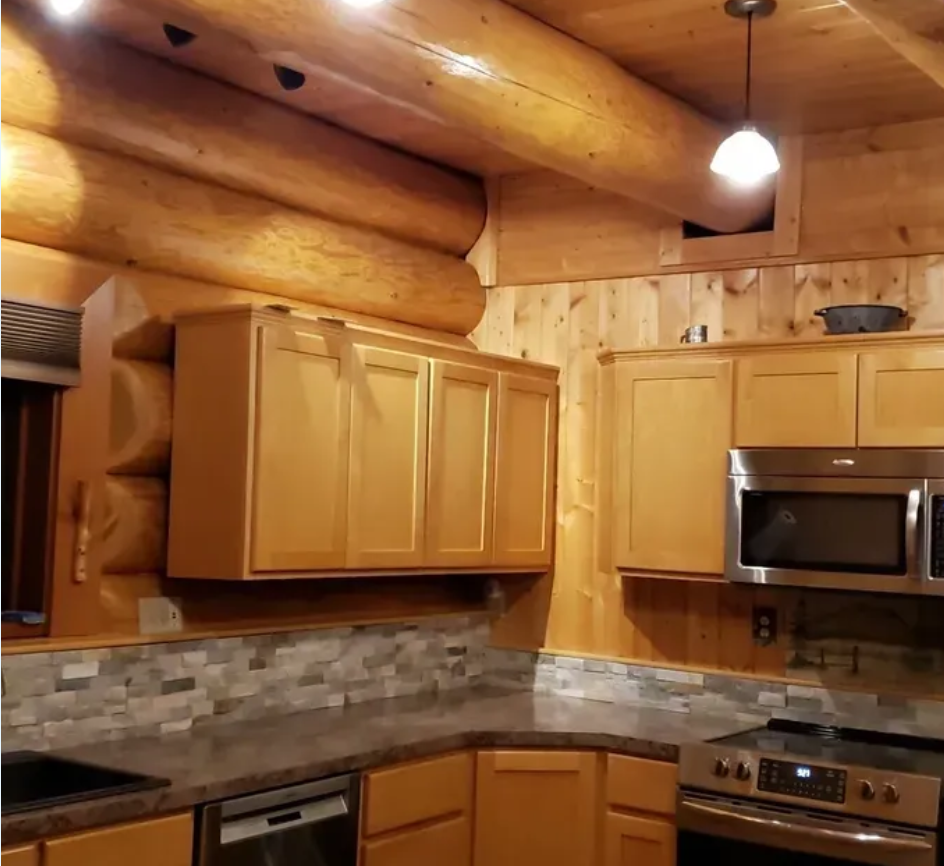
Inspection and moisture mapping
A technician confirms the water category and class, then maps how far moisture spread through walls, floors, and ceilings using moisture meters and, where needed, thermal imaging.
Water extraction and structural drying
Pumps and extractors pull out standing water. Air movers and dehumidifiers then dry the structure itself, which usually takes three to five days, with daily readings until materials reach normal moisture levels.
Mold check and remediation
If mold has already started, it’s contained and removed before anything is closed back up. Rebuilding over hidden mold just hides the problem. Lake’s General Contracting handles mold remediation as part of its water damage work.
Removing materials that can’t be saved
Soaked drywall is usually cut out above the wet line, and wet insulation is replaced. Floors that trapped water underneath often need full flooring replacement. If you’re replacing floors anyway, waterproof luxury vinyl plank is one of the most practical choices for Pacific Northwest homes. With Category 3 water, every porous material it touched has to go.
Repairs and reconstruction
Once everything is dry, the rebuild starts: drywall, paint, trim, cabinets, and floors. If the leak started in a bathroom, this often includes bathroom repairs such as a new vanity, subfloor, or tub surround.
Common Causes of Water Damage in Southwest Washington Homes
Frozen and burst pipes
Clark County winters are mild, but a hard cold snap still freezes pipes. The American Red Cross says pipes in crawl spaces, garages, attics, and against exterior walls are most at risk. Insulate them, let faucets drip on the coldest nights, and keep the heat at 55°F or higher if you travel. That last step matters for insurance too: the Washington OIC says frozen-pipe damage is usually covered only if the home was properly heated.
Roof leaks and gutter overflow in the rainy season
Months of steady rain test every roof and gutter. Clogged gutters spill water against siding and foundations, and worn flashing lets it into attics and walls. If a storm damages your roof, cover or repair it quickly. Water damage caused by delaying roof repairs generally isn’t covered.
Appliance and water heater failures
Washing machine hoses, dishwasher lines, and refrigerator ice-maker lines all wear out. Most tank water heaters last roughly 8 to 12 years. If yours is older, check for rust or moisture around the base.
How Much Does Water Damage Restoration Cost?
Angi’s 2026 data puts the national average at about $3,868, with most homeowners paying between $1,383 and $6,369, or roughly $3 to $7.50 per square foot. Closer to home, Angi lists an average of about $3,072 in Portland and $4,710 in Seattle.
| Water category | Average cost per sq ft | Example |
| Clean water | $3.50 | Burst supply line |
| Gray water | $5.25 | Washing machine overflow |
| Black water | $7.50 | Sewage backup |
What affects the price
- Water category: contaminated water means more removal and disinfection.
- Class and area: one wet room costs far less than water spread through a floor and into the crawl space.
- Materials: hardwood, custom cabinets, and plaster cost more to remove and replace.
- Mold: Angi puts mold removal at an extra $1,200 to $3,800 when it’s needed.
- Response time: Fast drying saves materials that would otherwise be torn out.
Does homeowners insurance cover water damage?
Usually, if the damage was sudden and accidental, like a burst pipe or a failed supply line. According to the Washington Office of the Insurance Commissioner, gradual leaks, such as a faucet that has dripped for months, usually aren’t covered. Mold and rot are usually excluded too, unless they result from water damage your policy does cover. Standard policies also exclude flooding, which needs a separate flood policy.
Why Hire a Licensed General Contractor for Water Damage in Clark County
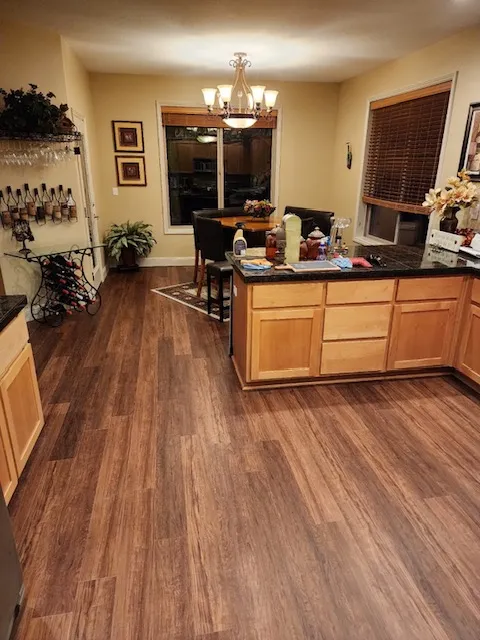
Many restoration companies stop after drying and hand you off to someone else for repairs. A licensed general contractor takes the job from extraction to the final coat of paint, with one team and one point of contact.
Lake’s General Contracting has served La Center and the surrounding area since 2018 and is licensed, bonded, and insured in Washington. When something unexpected turns up inside a wall, we stop, show you what we found, and explain your options before the plan changes.
Frequently Asked Questions
How long does water damage restoration take?
Drying usually takes three to five days. A small clean-water job may be finished within one to two weeks, including repairs. Larger losses involving contaminated water or mold can take several weeks or more.
Can I stay in my home during water damage restoration?
Often, yes, if the damage is limited to one area and the water was clean. With sewage, widespread flooding, or no working kitchen or bathroom, staying elsewhere for a few days is safer.
Does homeowners insurance cover water damage in Washington?
Most policies cover sudden, accidental water damage like a burst pipe, as long as you report it quickly. They usually exclude gradual leaks, flooding, and mold that isn’t tied to a covered loss. Read your policy and call your insurer the same day.
How can I tell if there is water damage behind my walls?
Look for stains, bubbling paint, peeling wallpaper, soft drywall, warped baseboards, or a musty smell. A moisture meter gives a reliable answer without cutting into the wall.
Do I need to replace drywall after water damage?
Not always. Drywall dampened by clean water and dried quickly can sometimes stay. Drywall that is soaked, sagging, or touched by gray or black water should be replaced rather than dried in place.
Get Help With Water Damage Today
Lake’s General Contracting handles the whole job, from emergency water removal and drying to mold remediation, drywall, flooring, and bathroom repairs, for homeowners in La Center, Ridgefield, Battle Ground, Woodland, and across Clark and Cowlitz Counties. Call our 24/7 emergency line at (360) 901-0292 for fast help.